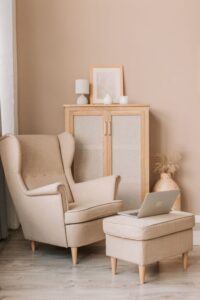

Creating a home office space that feels both cozy and productive can greatly improve your work-from-home experience. Whether you’re just starting to work remotely or looking to refresh your existing workspace, some thoughtful adjustments can boost your comfort and efficiency. In this post, we’ll explore practical tips to help you design a home office that supports your best work.
1. Choose the Right Location
Finding the ideal spot for your home office is the first step. Ideally, select a quiet area with minimal distractions, natural light, and enough room for your needs.
– Consider a separate room: If possible, dedicate a room to your office to clearly separate work from home life.
– Near a window: Natural light can enhance mood, reduce eye strain, and increase energy.
– Avoid high-traffic areas: Stay away from noisy spots like the kitchen or living room to maintain focus.
2. Invest in Comfortable, Functional Furniture
Your furniture choices impact both comfort and productivity. Prioritize pieces that support good posture and suit your working style.
– Ergonomic chair: Choose an adjustable chair with lumbar support to prevent back pain.
– Desk height: Ensure your desk is at the right height to keep your wrists straight and elbows at 90 degrees.
– Storage solutions: Use shelves, filing cabinets, or organizers to keep essential items neat and accessible.
3. Optimize Lighting
Proper lighting reduces eye strain and sets a pleasant tone for your workspace.
– Combine natural and artificial light: Use daylight when possible, and supplement with adjustable desk lamps.
– Avoid glare: Position your screen perpendicular to windows to minimize reflections.
– Warm light tones: Warm-colored bulbs can create a cozy atmosphere, while cooler tones can help with alertness.
4. Personalize Your Space
Adding touches that make your office feel inviting can improve your mood and motivation.
– Decor: Include artwork, photos, or plants that inspire you without being distracting.
– Colors: Choose calming colors like soft blues, greens, or neutrals to foster a peaceful environment.
– Comfort items: A soft rug, cozy blanket, or cushions can make the space more welcoming.
5. Organize Efficiently
Keeping your workspace organized reduces clutter and helps you focus.
– Declutter regularly: Remove unnecessary items from your desk daily.
– Use organizers: Desk trays, drawer dividers, and cable management tools keep things orderly.
– Digital organization: Maintain a tidy desktop and file system on your computer for easy access.
6. Minimize Distractions
Identify what commonly interrupts your work and take steps to limit these disruptions.
– Set boundaries: Inform family or housemates of your work hours and encourage respect for this time.
– Use noise-canceling headphones: These can help block out background noise.
– Limit smartphone use: Keep your phone on silent or in another room if possible.
7. Incorporate Technology Wisely
Having the right equipment ensures smoother workflows.
– Reliable internet connection: A stable connection is essential for calls and cloud-based work.
– Dual monitors: If your work requires multitasking, dual screens can improve productivity.
– Accessories: Consider a wireless keyboard and mouse, a webcam, and other tools tailored to your work style.
8. Take Breaks and Move
Even the best setups benefit from breaks to maintain productivity and well-being.
– Schedule short breaks: Use timers or apps to remind you to stand, stretch, or take a walk.
– Add a standing desk: Alternating between sitting and standing can reduce fatigue.
– Create a break zone: Have a nearby comfortable spot to relax briefly away from your desk.
Conclusion
Designing a home office that is both cozy and productive takes a bit of planning but pays off with improved focus, comfort, and work satisfaction. By selecting the right location, investing in supportive furniture, optimizing lighting, personalizing your space, and maintaining organization, you can create an environment that helps you do your best work, every day. Remember, your home office should serve your unique needs, so don’t be afraid to experiment with what works best for you.