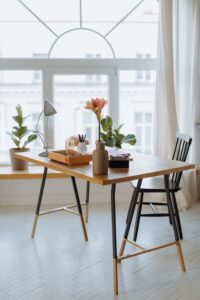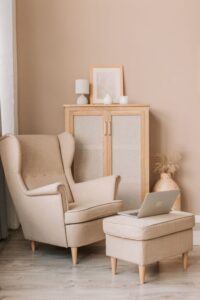
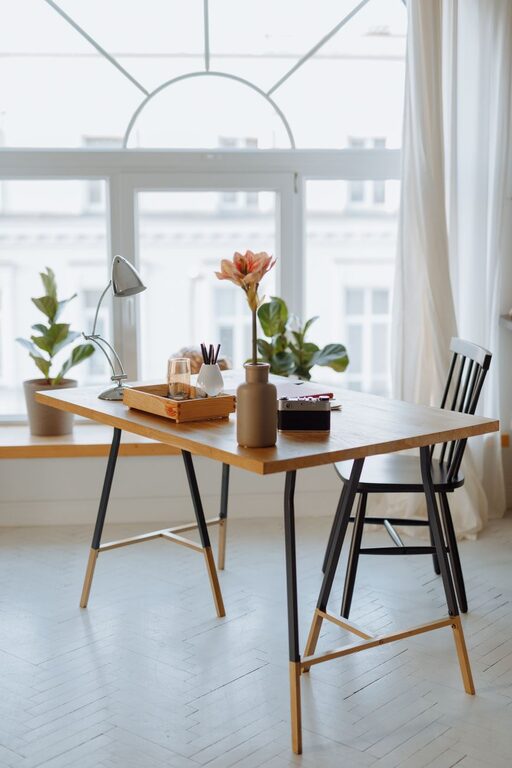
Creating a home office that feels cozy yet remains highly functional can significantly improve your work-from-home experience. Whether you’re setting up a new space or refreshing an existing one, a well-designed office can boost your productivity and make your workday more enjoyable. Here are practical tips to help you design a home office that is both comfortable and efficient.
Choose the Right Location
Finding the best spot in your home is the first step. Ideally, pick a quiet area with minimal distractions.
– Natural light: Position your desk near a window to benefit from daylight, which can improve mood and reduce eye strain.
– Noise levels: Consider a space away from busy parts of the house.
– Accessibility: Ensure your office is convenient to reach but separate enough to create boundaries between work and personal life.
Invest in Comfortable and Ergonomic Furniture
Your office furniture plays a crucial role in comfort and health.
– Ergonomic chair: Choose a chair with good lumbar support and adjustable height to keep your posture healthy.
– Desk: Select a desk that fits your space and accommodates your equipment. Adjustable height desks can offer flexibility for sitting or standing work.
– Footrest and monitor stands: Small adjustments can reduce strain and keep your workspace comfortable.
Optimize Lighting
Good lighting improves focus and reduces fatigue.
– Layered lighting: Combine ambient, task, and accent lighting. A desk lamp with adjustable brightness helps during late hours.
– Avoid glare: Position screens perpendicular to windows and use blinds or curtains to control sunlight.
– Warm vs. cool light: Use warm light for a cozy atmosphere and cool light to stay alert and focused.
Organize Your Workspace Efficiently
Clutter can distract and stress you out. Keep your space tidy and organized.
– Storage solutions: Use shelves, drawers, or filing cabinets to keep documents and supplies out of sight.
– Desk organizers: Pen holders, trays, and cable management tools help keep everything neat.
– Digital organization: Keep your computer desktop and files well-organized to speed up work.
Personalize Your Office
Adding personal touches can make your office feel inviting and inspiring.
– Decor: Incorporate artwork, photos, or plants to bring life to your space.
– Color scheme: Choose calming or motivating colors based on your preference.
– Comfort items: A soft rug, cozy blanket, or cushions can add warmth and comfort.
Manage Technology Effectively
Ensure your technology setup supports your work without causing frustration.
– Reliable internet: A strong connection is essential for smooth communication.
– Proper equipment: Invest in quality headphones, microphones, or additional monitors if needed.
– Cable management: Use clips or sleeves to keep cords organized and avoid tangles.
Maintain a Work-Life Balance
Even in a home office, it’s important to set boundaries.
– Define work hours: Stick to a schedule to separate work time from personal time.
– Physical boundaries: If space allows, use room dividers or curtains to visually separate the office.
– Take breaks: Set reminders to stretch, move around, and rest your eyes.
Keep It Flexible
Your needs might change over time. Designing a flexible space will help you adapt easily.
– Modular furniture: Choose pieces that can be rearranged or expanded.
– Multi-purpose area: Consider a space that can accommodate meetings, creative work, or relaxation.
– Storage adaptability: Use containers or shelves that can evolve with your changing supplies.
—
Creating a cozy and functional home office requires a blend of comfort, organization, and practicality. By paying attention to location, furniture, lighting, and personalization, you can build a workspace that supports your productivity and well-being every day. Remember, a thoughtfully designed office is an investment in your professional and personal happiness.